
Transcribe Piano Transcriptions Songs
Piano transcriptions songs are pieces of music that have been arranged for the solo piano from an orchestral or chamber music piece. These arrangements can be very difficult to do, but with patience and practice, they can become very accurate. This is a very important skill for musicians, as it allows them to play their favorite pieces on their own without the need for an entire orchestra to accompany them. There are many piano transcriptions songs available on the internet, but it is very important to find quality sheets that are easy to read and understand.
The best way to do this is to work in small chunks of time. This is much more effective than trying to transcribe an entire song or musical passage at one time. Working in this manner will help you to form a clear picture in your mind of what the composer is trying to convey, which will help you to accurately put down the correct notes on your keyboard. It is also important to use a DAW for playback when transcribing, as using a streaming service or CD can waste valuable time.
Using a DAW can also help you to save on keystrokes when moving around your source audio. The less movement you have to make when transcribing, the faster and more accurate it will be. This is especially helpful for transcribing complicated chords that are a combination of several different pitches. A good trick when attempting to transcribe something that is a bit more complicated than normal, is to imagine the sounds that might be contained in that particular chord and then try to reproduce those exact same notes. This technique will help you to quickly and accurately transcribe even the most complex of musical passages.
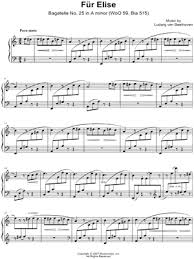
How to Accurately Transcribe Piano Transcriptions Songs
The Mutopia Project offers a wide range of free sheet music editions of classical works. Most of these editions are based on manuscripts in the public domain and have been typeset by volunteers. These volunteers use the LilyPond software to render these free musical scores in print format. Their names appear with each work on the site, so you can see who has made this musical art possible for you to enjoy and learn from.
The history of piano transcriptions is as rich and diverse as the repertoire itself. While the practice of arranging music for keyboard instruments dates back centuries, it wasn’t until the 19th century that piano transcriptions truly began to flourish. During this period of musical innovation and experimentation, composers and virtuoso pianists alike sought to adapt popular orchestral, operatic, and chamber works for solo piano performance.
Piano transcriptions are a fascinating aspect of musical adaptation, offering a unique lens through which to explore the interplay between composer intent and performer interpretation. At their core, piano transcriptions involve the reimagining of music originally written for another instrument or ensemble into a format suitable for the piano. This process requires a delicate balance of creativity, technical skill, and musical understanding, resulting in works that can both honor the original composition and showcase the pianist’s individual artistry.


